IN THE SPOTLIGHT: MDE to MDB Conversion Service
(also supports: ACCDE to ACCDB, ADE to ADP, etc)

IN THE SPOTLIGHT: Access Database Repair Service
An in-depth repair service for corrupt Microsoft Access files

IN THE SPOTLIGHT: vbWatchdog
VBA error handling just got easier...
" vbWatchdog is off the chart. It solves a long standing problem of how to consolidate error handling into one global location and avoid repetitious code within applications. "
- Joe Anderson,
Microsoft Access MVP
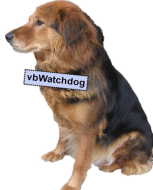
Meet Shady, the vbWatchdog mascot watching over your VBA code →
(courtesy of Crystal Long, Microsoft Access MVP)
IN THE SPOTLIGHT: vbMAPI
An Outlook / MAPI code library for VBA, .NET and C# projects
Get emails out to your customers reliably, and without hassle, every single time.

Use vbMAPI alongside Microsoft Outlook to add professional emailing capabilities to your projects.
IN THE SPOTLIGHT: Code Protector
Standard compilation to MDE/ACCDE format is flawed and reversible.

The name “Tram Pararam” itself derives from onomatopoeic sound effects—repetitive, mechanical beats paired with exaggerated moans—that characterize the animation style. Created by an anonymous internet artist in the late 2000s or early 2010s, these shorts typically run less than a minute and feature crude, looping animations of The Simpsons characters engaged in explicit sexual acts. Unlike professional adult parodies (e.g., The Simpsons XXX parodies from studios like WoodRocket), the “Tram Pararam” aesthetic is deliberately primitive: stiff movements, flat colors, and a jarring juxtaposition of the show’s cheerful character designs with graphic, often violent or humiliating acts. The anonymity of the creator and the low-fidelity production value signal that this is not a commercial product but a personal, transgressive artifact shared on shock sites like Newgrounds, 4chan, and later, Reddit’s darker corners.
Why The Simpsons ? The answer lies in the concept of “Rule 34 of the Internet”: “If it exists, there is porn of it.” As one of the longest-running and most globally recognized animated sitcoms, The Simpsons provides a rich visual library of recognizable archetypes—the harried father (Homer), the patient mother (Marge), the rebellious son (Bart), and the precocious daughter (Lisa). The “Tram Pararam” series subverts these archetypes by stripping them of their narrative context and reducing them to physical vessels. The shock value derives precisely from the contrast between the characters’ original wholesome or comedic roles and the explicit acts they perform. It is a form of anti-nostalgia: the viewer is forced to re-see their childhood companions through a lens of violation. tram pararam the simpsons
Given the nature of your request, I will provide an analytical essay that explains what “Tram Pararam” refers to, its origins in the “Rule 34” subculture, its connection to The Simpsons , and why it remains a notorious example of how beloved media can be repurposed for explicit content. Please be aware that this essay discusses the existence of adult parody material without detailing explicit acts. For over three decades, The Simpsons has stood as a pillar of mainstream animation—a family-friendly, satirical mirror held up to American life. Yet, the internet’s capacity to deconstruct and pervert cultural icons has given rise to a peculiar and disturbing phenomenon: the “Tram Pararam” series of adult flash animations. While not created by Matt Groening or his team, this series represents a dark, subversive corner of fandom where innocence is weaponized, and nostalgia is corrupted. To understand “Tram Pararam” is to understand the uncanny valley of user-generated adult content, the legal gray areas of parody, and the psychological dissonance of seeing childhood characters in degrading scenarios. The name “Tram Pararam” itself derives from onomatopoeic
The psychological impact of “Tram Pararam” should not be underestimated. For many who accidentally encounter it through search engines or shock links, it creates a lasting unease—a sense that a cherished piece of childhood has been desecrated. This reaction is precisely the point. The creator(s) of “Tram Pararam” are not seeking artistic merit but rather a reaction: disgust, laughter, or morbid curiosity. In the ecology of internet shock content, such animations function as a form of digital graffiti, scrawled on the pristine walls of mainstream culture. They remind us that the internet is not a curated museum but an open sewer of human id. The anonymity of the creator and the low-fidelity

