Literature

Sword Of Kaigen Audiobook Info

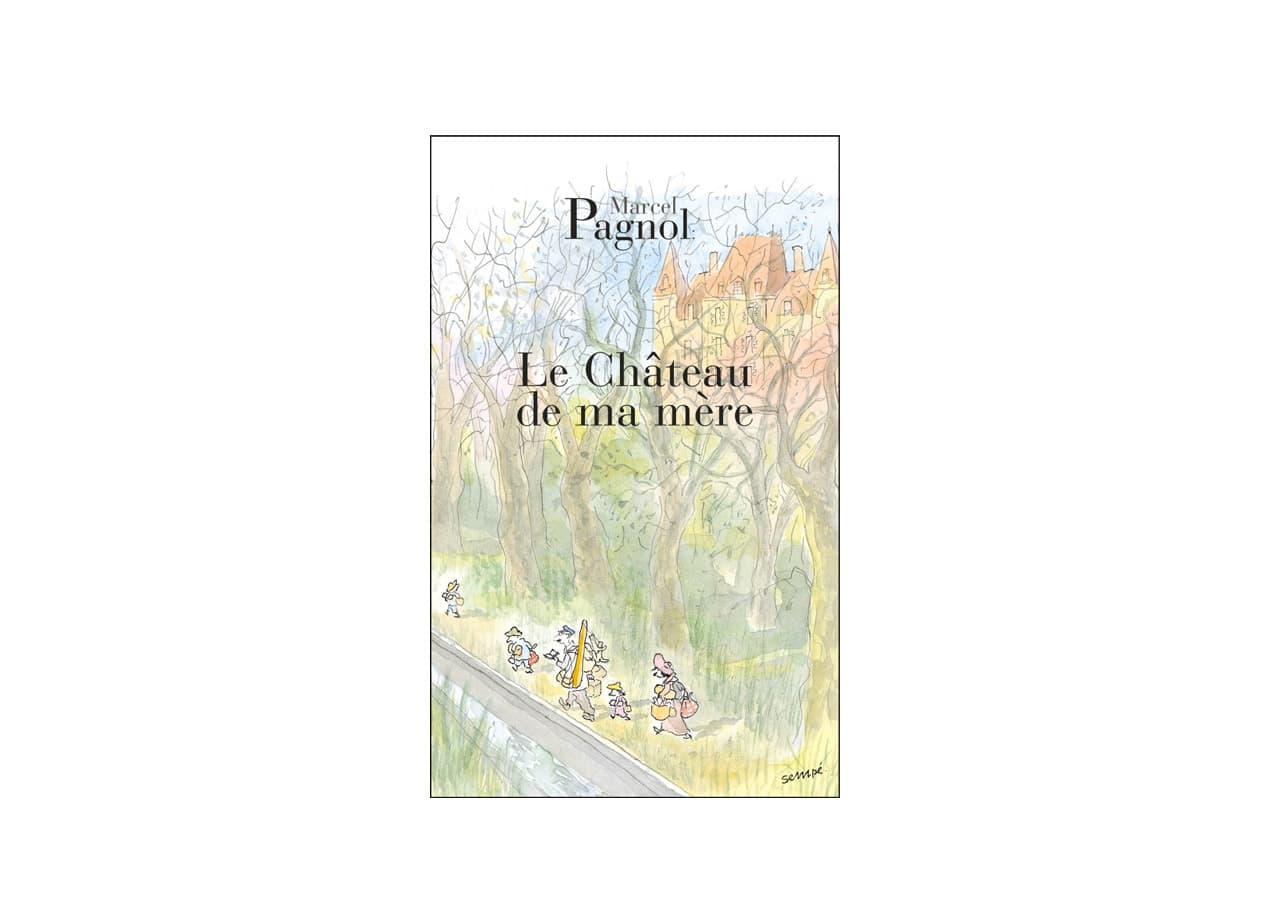
The most beautiful book on child friendship: one morning while hunting in the hills, Marcel meets the little peasant, Lili des Bellons. His vacations and his whole life will be illuminated by it.

The most beautiful book about childhood friendship.

Summary

One year after La Gloire de mon père (My Father’s Glory), Marcel Pagnol thought he would conclude his childhood memories with this Château de ma mère (1958), the second part of what he considered as a diptych, ending with the famous scene of the ferocious guardian frightening the timid Augustine. Little Marcel, after the family tenderness, discovered friendship with the wonderful Lili, undoubtedly the most endearing of his characters. The book closes with a melancholic epilogue, a poignant elegy to the time that has passed. In it, Pagnol strikes a chord of gravity to which he has rarely accustomed his readers.

Hey friend! “
I saw a boy about my age looking at me sternly. You shouldn’t touch other people’s traps,” he said. “A trap is sacred!
” 

– “I wasn’t going to take it,” I said. “I wanted to see the bird.” 

He approached: “it was a small peasant. He was, brown, with a fine Provencal face, black eyes and long girlish lashes.”

Buy online

You will also like:

Sword Of Kaigen Audiobook Info

Of course, the audiobook is not without limitations. As a single-narrator production, it lacks the full-cast dynamism of a Graphic Audio adaptation. Tell’s range is impressive, but younger female voices and elderly male characters can occasionally bleed together, requiring careful attention to dialogue tags. Additionally, the novel’s epilogue, which shifts to a more essayistic, historical-reflection tone, loses some of its lyrical quality when read in the same intimate voice used for Misaki’s grief. These are minor quibbles, however, in the face of the audiobook’s overall achievement.

Furthermore, the pacing of the audiobook solves a common critique of the novel: its slow, slice-of-life first half. Some print readers find the initial chapters, focused on Mamoru’s schooling and village politics, meandering. However, in audio, this deliberate pacing becomes an act of dramatic irony. Tell reads these early scenes with a gentle, almost nostalgic warmth—the quiet confidence of a child, the mundane frustrations of a housewife. This sonic tranquility lulls the listener into a false sense of security. When the invasion hits, the shift in Tell’s delivery—accelerated, clipped, and frantic—is jarring. The contrast is far more potent in audio because the listener has felt the peace in their ears for hours. The violence becomes not just a plot point but an acoustic violation, mirroring the characters’ own trauma. sword of kaigen audiobook

The most immediate triumph of the audiobook is its handling of the novel’s unique linguistic and cultural texture. Wang’s world blends Japanese-inspired traditions with a modern military setting, resulting in a lexicon of honorifics, technique names (e.g., Whispering Blade , Gedō , Hiliqita ), and internal monologues laden with cultural nuance. In print, these terms can occasionally feel dense or foreign. However, narrator Andrew Tell breathes life into them with consistent pronunciation and deliberate pacing. He treats the combat terminology not as jargon but as incantations, giving each named technique a weight and reverence that mirrors how the characters themselves view their martial arts. This sonic world-building creates a seamless immersion, allowing the listener to inhabit the Kusanagi family’s mindset without the stumbling block of unfamiliar orthography. Of course, the audiobook is not without limitations

M.L. Wang’s The Sword of Kaigen has been hailed as a modern masterpiece of self-published fantasy, a character-driven epic that subverts expectations of war, family, and heroism. However, for many readers, the journey to the frozen peninsula of Kaigen is not experienced through ink on paper but through sound. The audiobook, narrated by Andrew Tell, is not merely an alternative format; it is a transformative interpretation. By leveraging vocal performance, pacing, and emotional intonation, the Sword of Kaigen audiobook elevates an already powerful narrative into an immersive, visceral, and unforgettable experience that deepens the story’s core themes of loss, duty, and cultural rebirth. Additionally, the novel’s epilogue, which shifts to a

In conclusion, the Sword of Kaigen audiobook is a masterclass in how narration can serve as literary criticism. Andrew Tell does not simply read Wang’s words; he interprets them, highlighting the tragedy in a mother’s sigh and the terror in a boy’s whisper. For a novel so concerned with legacy—with how stories are told, remembered, and twisted—the audiobook adds a vital layer. It reminds us that the “sword” of Kaigen is not just a weapon or a title, but a voice: one that cracks, screams, weeps, and finally, whispers a promise of renewal. Listeners who experience this story through sound will find that the echoes of the Kusanagi family linger far longer than any printed page could manage.

More significantly, the audiobook excels at conveying the novel’s emotional core, particularly through its two protagonists: Misaki, a former warrior turned reluctant mother, and her son, Mamoru. In print, Misaki’s simmering resentment and fierce protectiveness are articulated through lengthy internal monologues. In audio, Tell modulates his voice to capture her exhaustion, her steel-soft regret, and her explosive rage. The difference is stark in the novel’s infamous middle section—a sudden, brutal invasion that shatters the family’s peace. Listening to Tell’s voice crack under the weight of Misaki’s grief or shift to Mamoru’s trembling, boyish horror transforms a graphic scene into an almost unbearable auditory experience. The audiobook forces you to hear the breaking of a child’s hero worship and the raw, ugly sound of a mother’s despair, making the emotional stakes feel more immediate than text alone might convey.
Of course, the audiobook is not without limitations. As a single-narrator production, it lacks the full-cast dynamism of a Graphic Audio adaptation. Tell’s range is impressive, but younger female voices and elderly male characters can occasionally bleed together, requiring careful attention to dialogue tags. Additionally, the novel’s epilogue, which shifts to a more essayistic, historical-reflection tone, loses some of its lyrical quality when read in the same intimate voice used for Misaki’s grief. These are minor quibbles, however, in the face of the audiobook’s overall achievement.

Furthermore, the pacing of the audiobook solves a common critique of the novel: its slow, slice-of-life first half. Some print readers find the initial chapters, focused on Mamoru’s schooling and village politics, meandering. However, in audio, this deliberate pacing becomes an act of dramatic irony. Tell reads these early scenes with a gentle, almost nostalgic warmth—the quiet confidence of a child, the mundane frustrations of a housewife. This sonic tranquility lulls the listener into a false sense of security. When the invasion hits, the shift in Tell’s delivery—accelerated, clipped, and frantic—is jarring. The contrast is far more potent in audio because the listener has felt the peace in their ears for hours. The violence becomes not just a plot point but an acoustic violation, mirroring the characters’ own trauma.

The most immediate triumph of the audiobook is its handling of the novel’s unique linguistic and cultural texture. Wang’s world blends Japanese-inspired traditions with a modern military setting, resulting in a lexicon of honorifics, technique names (e.g., Whispering Blade , Gedō , Hiliqita ), and internal monologues laden with cultural nuance. In print, these terms can occasionally feel dense or foreign. However, narrator Andrew Tell breathes life into them with consistent pronunciation and deliberate pacing. He treats the combat terminology not as jargon but as incantations, giving each named technique a weight and reverence that mirrors how the characters themselves view their martial arts. This sonic world-building creates a seamless immersion, allowing the listener to inhabit the Kusanagi family’s mindset without the stumbling block of unfamiliar orthography.

M.L. Wang’s The Sword of Kaigen has been hailed as a modern masterpiece of self-published fantasy, a character-driven epic that subverts expectations of war, family, and heroism. However, for many readers, the journey to the frozen peninsula of Kaigen is not experienced through ink on paper but through sound. The audiobook, narrated by Andrew Tell, is not merely an alternative format; it is a transformative interpretation. By leveraging vocal performance, pacing, and emotional intonation, the Sword of Kaigen audiobook elevates an already powerful narrative into an immersive, visceral, and unforgettable experience that deepens the story’s core themes of loss, duty, and cultural rebirth.

In conclusion, the Sword of Kaigen audiobook is a masterclass in how narration can serve as literary criticism. Andrew Tell does not simply read Wang’s words; he interprets them, highlighting the tragedy in a mother’s sigh and the terror in a boy’s whisper. For a novel so concerned with legacy—with how stories are told, remembered, and twisted—the audiobook adds a vital layer. It reminds us that the “sword” of Kaigen is not just a weapon or a title, but a voice: one that cracks, screams, weeps, and finally, whispers a promise of renewal. Listeners who experience this story through sound will find that the echoes of the Kusanagi family linger far longer than any printed page could manage.

More significantly, the audiobook excels at conveying the novel’s emotional core, particularly through its two protagonists: Misaki, a former warrior turned reluctant mother, and her son, Mamoru. In print, Misaki’s simmering resentment and fierce protectiveness are articulated through lengthy internal monologues. In audio, Tell modulates his voice to capture her exhaustion, her steel-soft regret, and her explosive rage. The difference is stark in the novel’s infamous middle section—a sudden, brutal invasion that shatters the family’s peace. Listening to Tell’s voice crack under the weight of Misaki’s grief or shift to Mamoru’s trembling, boyish horror transforms a graphic scene into an almost unbearable auditory experience. The audiobook forces you to hear the breaking of a child’s hero worship and the raw, ugly sound of a mother’s despair, making the emotional stakes feel more immediate than text alone might convey.