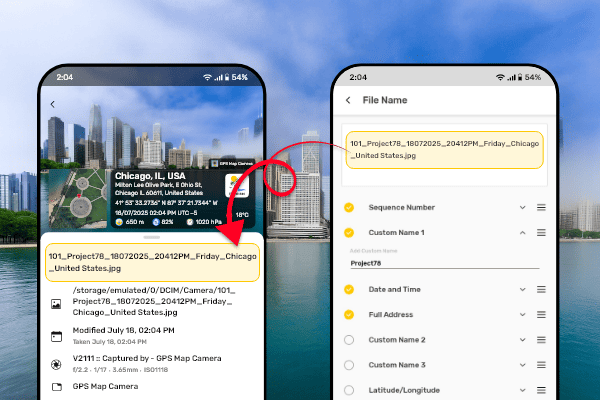
Add a text label to your work photo instantly with the GPS Map Camera.

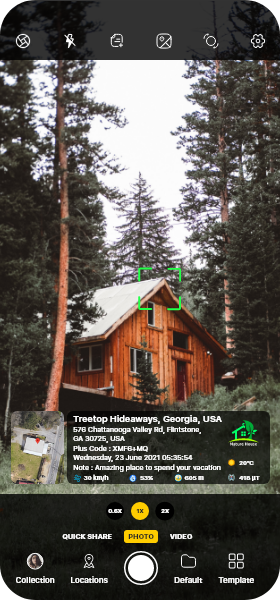
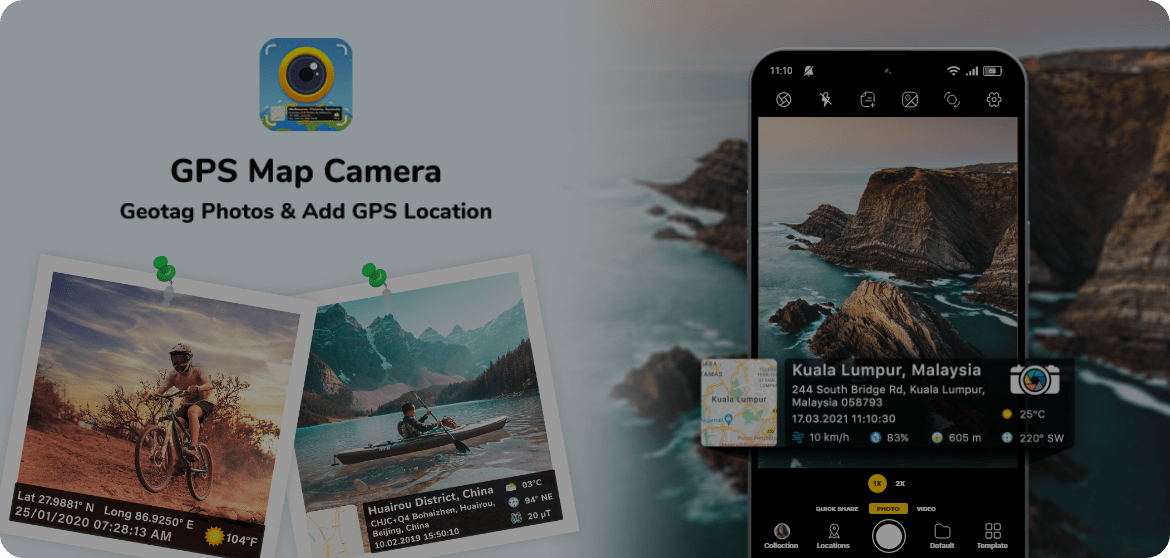
Auto-stamp your photos & videos with accurate location, date, time, map, logo, and more. Perfect for professionals, travelers, & field teams.

Capture photos with real GPS coordinates & map overlay
Date & time stamps that can’t be edited
Add project name, notes, phone number & your brand logo
Choose automatic or manual location input for flexibility
Used by millions of real estate, construction & contractor, and remote professionals
ffprobe -show_streams mystery.mov | grep codec_name If you see codec_name=svq3 (Sorenson Video 3) or qdm2 (QDesign Music 2), you’ve found an extension-dependent file. QuickTime extensions were a triumph of component-based design long before microservices or plugins became fashionable. They allowed a single media framework to support everything from camcorder capture to interactive VR to 3D rendering—without requiring the whole system to be rewritten.
Today’s media pipelines (AVFoundation, Media Foundation, GStreamer) are more secure and performant, but they are also more rigid. Installing a new codec on an iPhone requires an app update and Apple’s approval. In 1997, you just dropped a file into a folder.
/System/Library/QuickTime/ ~/Library/QuickTime/ On Windows, the last safe version is QuickTime 7.7.9 (discontinued in 2016). Running it requires extreme caution—air-gapped machines only.
Today, QuickTime is largely deprecated, replaced by AVFoundation on Apple platforms. But understanding QuickTime extensions reveals a pivotal moment in digital media history—and explains why some professional workflows still depend on them. In technical terms, a QuickTime Extension (file type 'qtcm' or 'qtx' on macOS, .QTX on Windows) was a loadable bundle that added specific capabilities to the QuickTime framework. QuickTime itself was a system extension—a piece of code that loaded at startup and hooked into the operating system’s deep media handling.



GPS Map Camera gives you full control to create photo documentation that’s authentic, accurate, and impossible to fake. Whether you’re on a site, in the field, or documenting memories, every image becomes verifiable proof
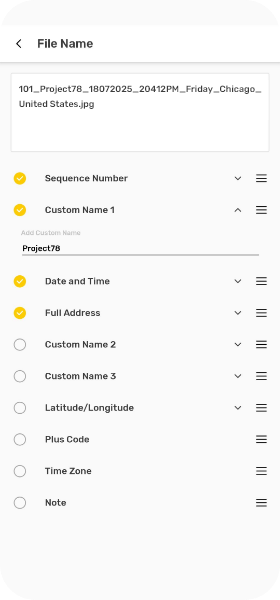
Explore All FeaturesGPS Map Camera automatically names your photos using the location, date, and time from the stamp — no manual work needed. Perfect for professionals who need clean, organized files ready for reports, sharing, or recordkeeping.
No manual renaming
Clean and easy-to-search images
Consistent formatting for reporting or sharing

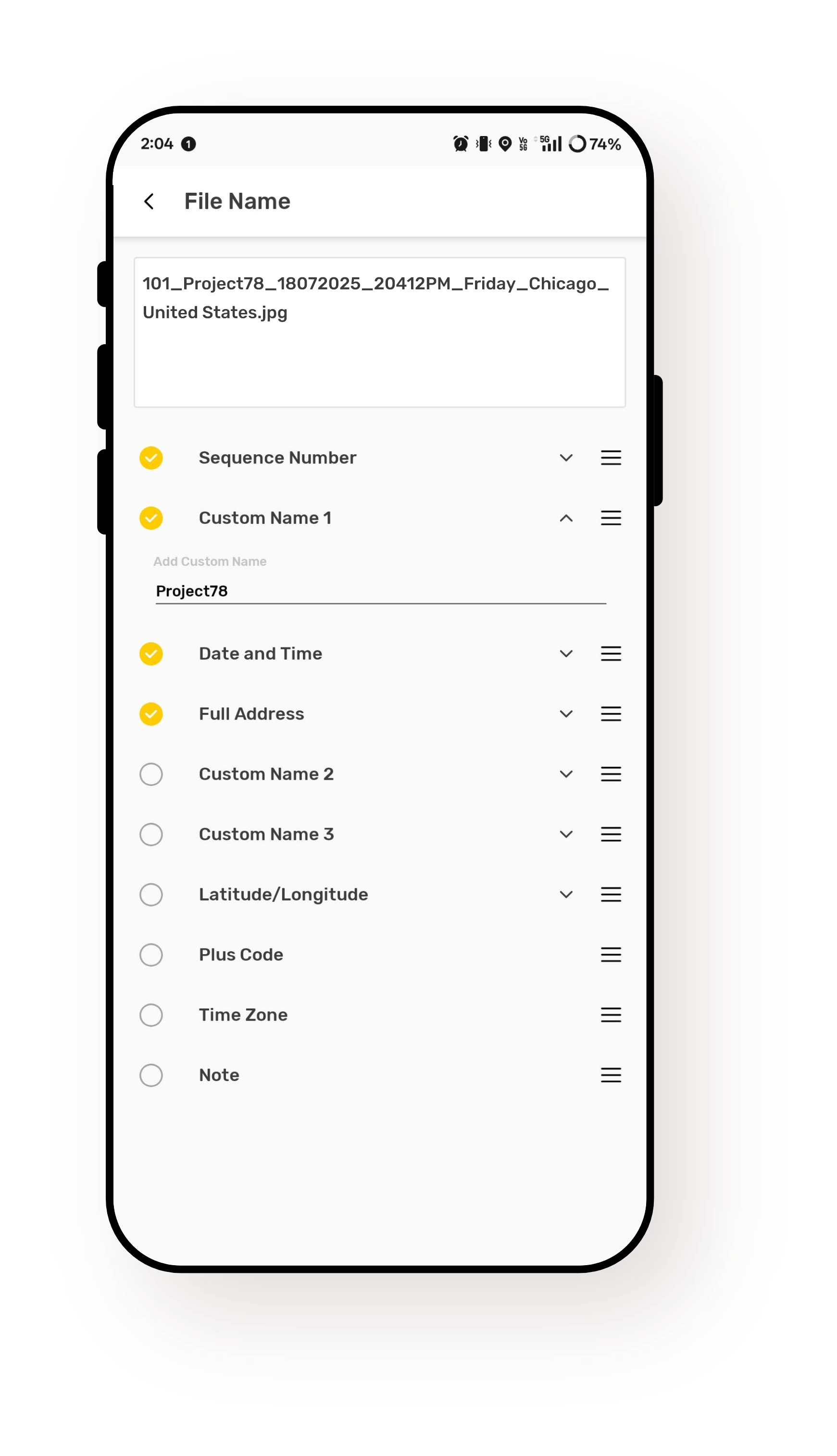

See how GPS Map Camera’s powerful interface makes your images more than just pictures—each one is an authentic, accurate snapshot with automatic stamps.


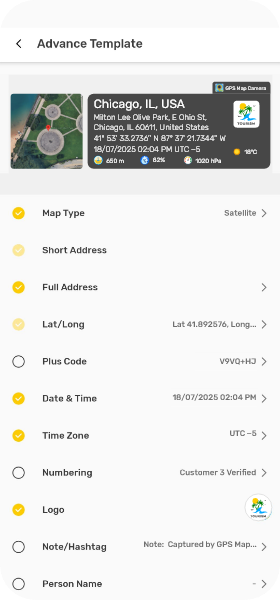


We believe in transparency. Here are answers to the questions our users ask most.
Explore how people across industries use our app to get accurate, authentic photo documentation.
Super helpful for logging my location and time while working off-site. Plus the file naming is a lifesaver!

I love how my photos show exactly where and when they were taken. It makes my posts more real — and my memories more organized.

Clients trust me more when I send geo-stamped images. It’s added professionalism to my entire work process.

Exactly what I needed! Now every project photo I take includes GPS, time, and location. It’s become a daily part of my workflow.

ffprobe -show_streams mystery.mov | grep codec_name If you see codec_name=svq3 (Sorenson Video 3) or qdm2 (QDesign Music 2), you’ve found an extension-dependent file. QuickTime extensions were a triumph of component-based design long before microservices or plugins became fashionable. They allowed a single media framework to support everything from camcorder capture to interactive VR to 3D rendering—without requiring the whole system to be rewritten.
Today’s media pipelines (AVFoundation, Media Foundation, GStreamer) are more secure and performant, but they are also more rigid. Installing a new codec on an iPhone requires an app update and Apple’s approval. In 1997, you just dropped a file into a folder. quicktime extension
/System/Library/QuickTime/ ~/Library/QuickTime/ On Windows, the last safe version is QuickTime 7.7.9 (discontinued in 2016). Running it requires extreme caution—air-gapped machines only. ffprobe -show_streams mystery
Today, QuickTime is largely deprecated, replaced by AVFoundation on Apple platforms. But understanding QuickTime extensions reveals a pivotal moment in digital media history—and explains why some professional workflows still depend on them. In technical terms, a QuickTime Extension (file type 'qtcm' or 'qtx' on macOS, .QTX on Windows) was a loadable bundle that added specific capabilities to the QuickTime framework. QuickTime itself was a system extension—a piece of code that loaded at startup and hooked into the operating system’s deep media handling. /System/Library/QuickTime/ ~/Library/QuickTime/ On Windows