Since its debut in 2014, Scott Cawthon’s Five Nights at Freddy’s has terrified players with its minimalist premise: a security guard must survive five nights against homicidal animatronic animals using only cameras, lights, and limited power. The game’s simple mechanics and low system requirements made it an ideal candidate for the “unblocked game” ecosystem. Unlike mainstream platforms (Steam, App Store) often blocked on school Wi-Fi, FNAF Unblocked refers to HTML5, Flash, or JavaScript ports hosted on proxy sites, Google Drive, or personal blogs, designed to evade content filters.
Abstract: The Five Nights at Freddy’s (FNAF) franchise, a cornerstone of modern survival horror gaming, has spawned a persistent digital phenomenon: the “unblocked game.” This paper explores the cultural and technical dimensions of FNAF Unblocked —fan-made or archived versions of the game accessible on school or institutional networks. It argues that these games function as a form of digital folklore and playful subversion, satisfying adolescent desires for controlled fear, social currency, and agency against restrictive internet policies, while simultaneously challenging educators’ efforts to maintain focused learning environments. fnaf unblocked game
Most FNAF Unblocked versions are unauthorized fan-made recreations or decompiled Flash ports. They often lack sound (a key horror element) or feature bugs, yet their accessibility trumps fidelity. Schools using content filtering software (e.g., GoGuardia, Securly) constantly update blocklists, while unblocked game repositories respond by mirroring content on new domains or disguising URLs as educational resources (e.g., “math-fnaf-review.com”). This cat-and-mouse game consumes significant IT resources. Since its debut in 2014, Scott Cawthon’s Five
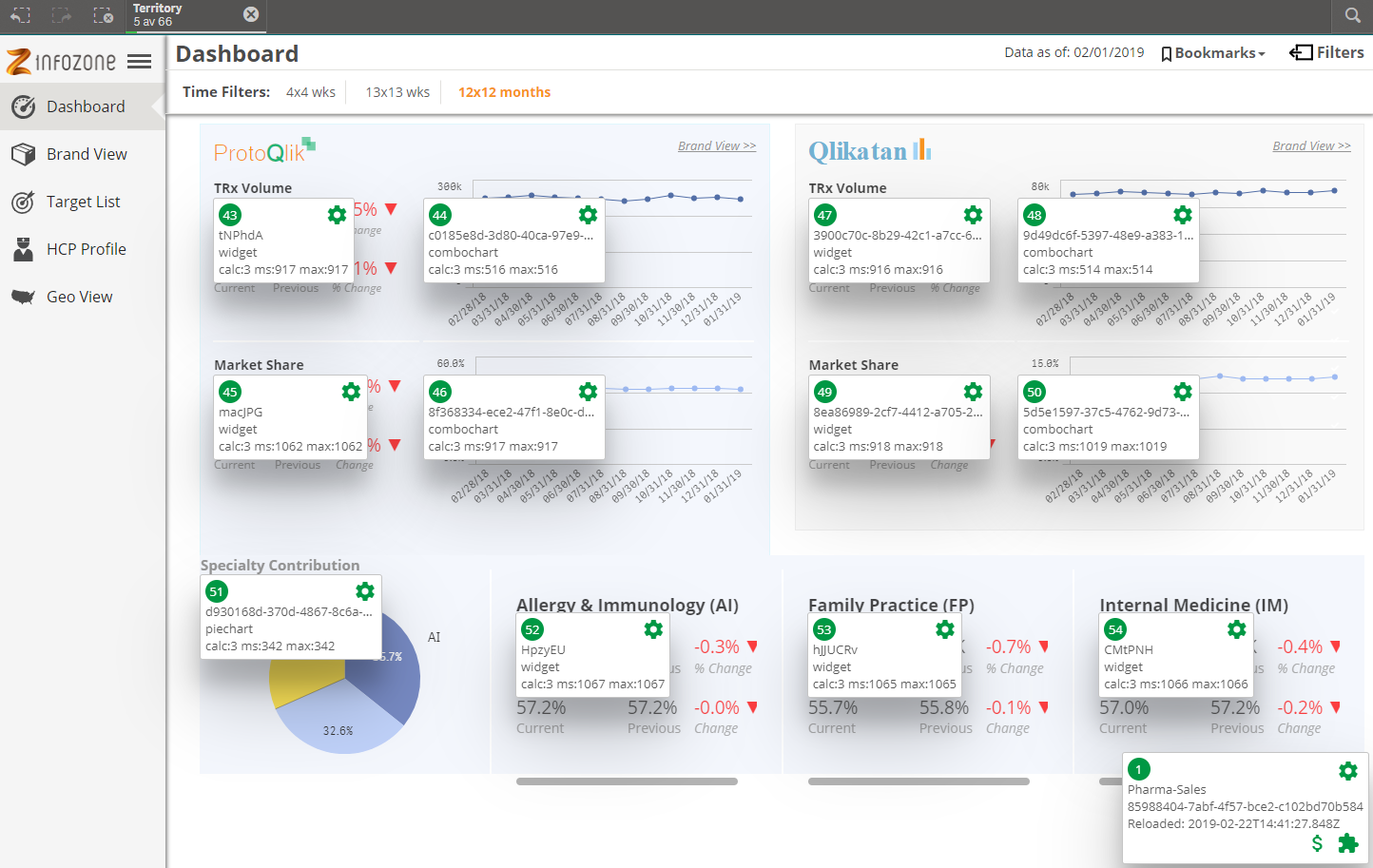
Add Sense for Chrome works in both the build-in Sense client and in mashups using the Capabilities APIs
Charts displayed with the API through getObject and visualization.show will be tagged.
Used app(s) will be displayed in the bottom right corner.
Properties and other buttons will work just as in the client.
If your mashup shows charts from more than one app, all will be listed.
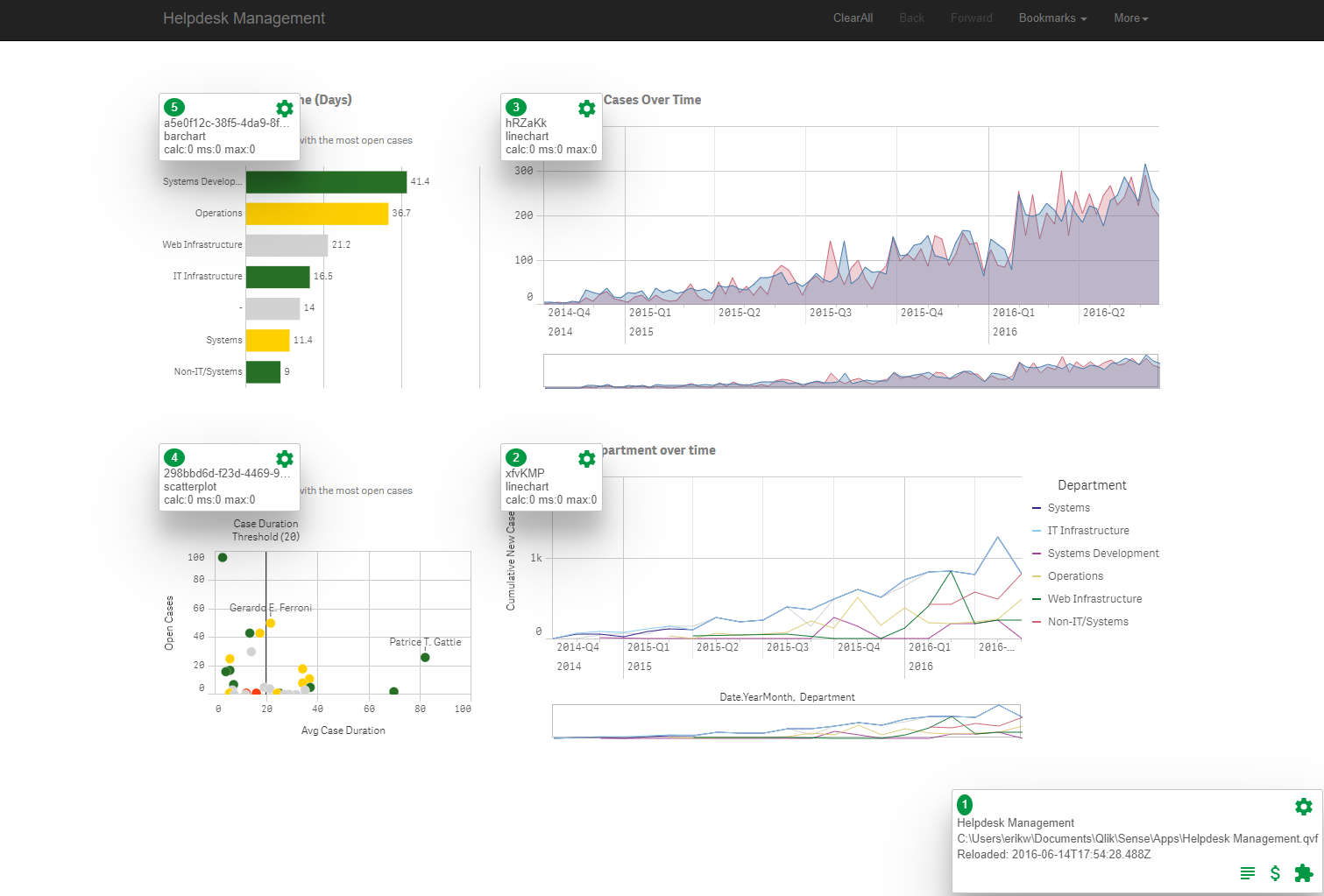
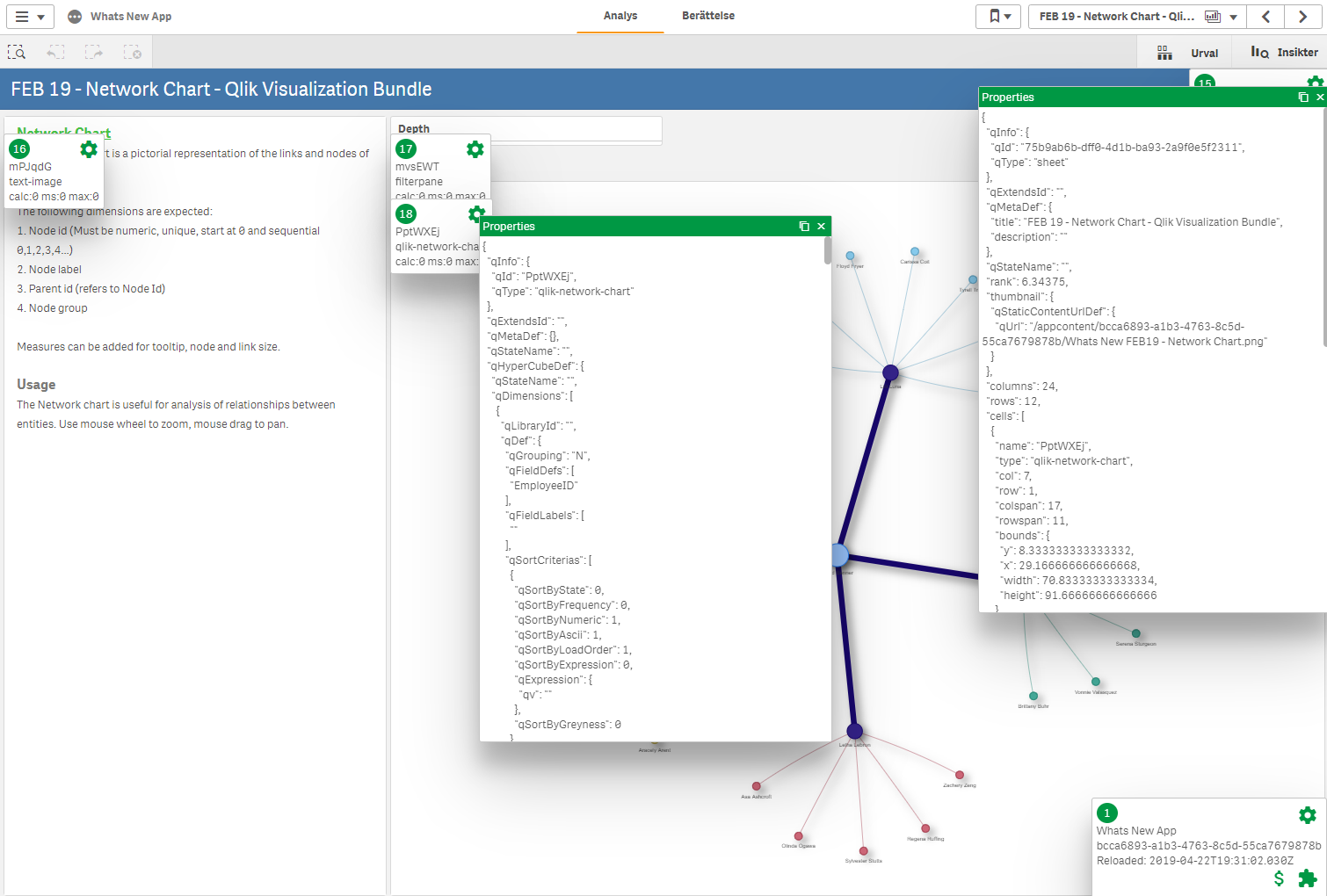
For all charts, sheets and the app you can click on the cogwheel.
That will display the properties for the object.
Use this to troubleshoot or to investigate what settings produce this chart.
You can display several objects properties at the same time, to make comparisons.
Properties can also be copied to clipboard.
From the app box you can inspect the script, variables and app properties.
Windows can be open at the same time and moved.
You can also copy window contents, complete or partly, to the clipboard.
If you do not have access to the script the script button will not be available.
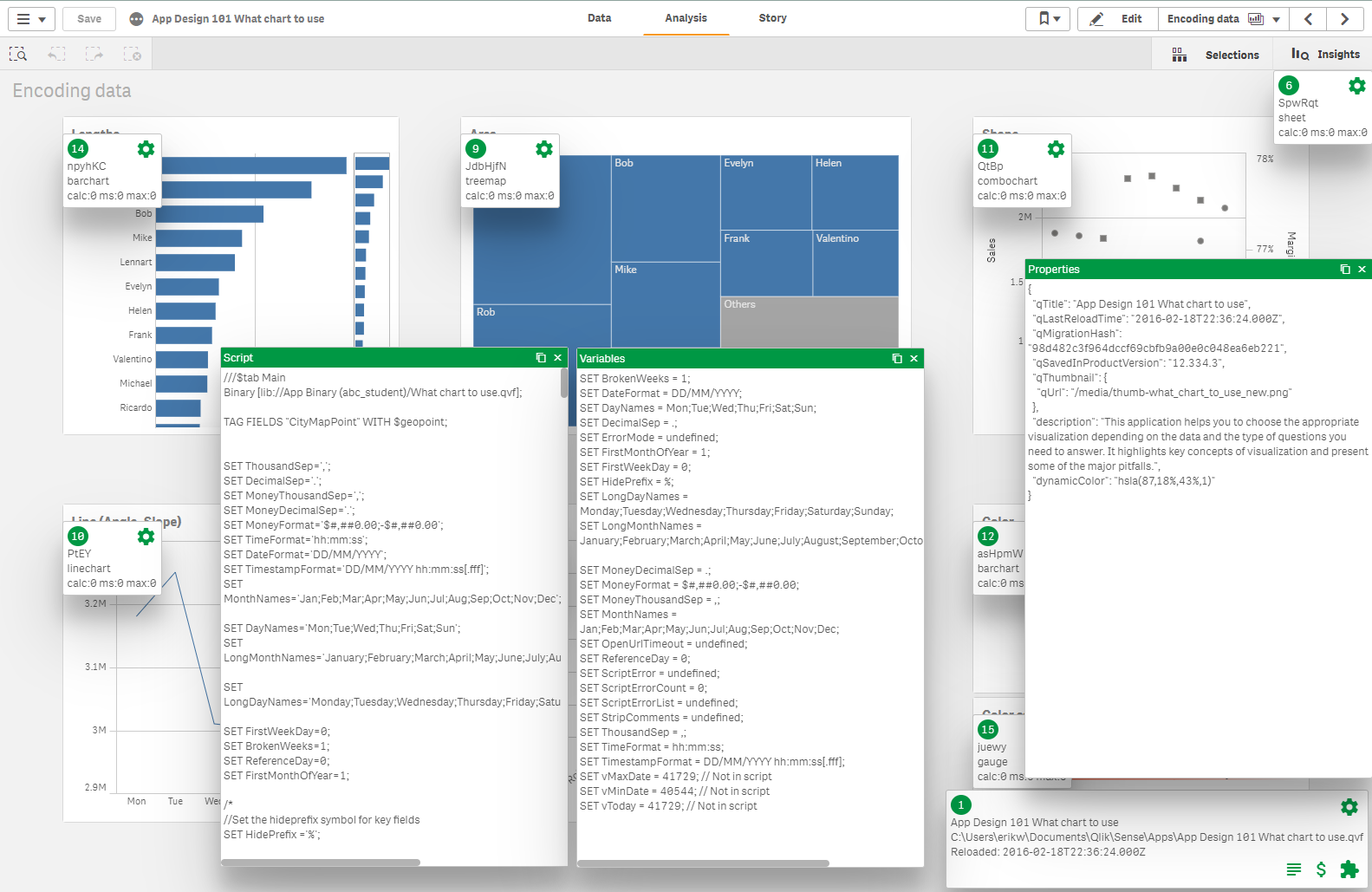
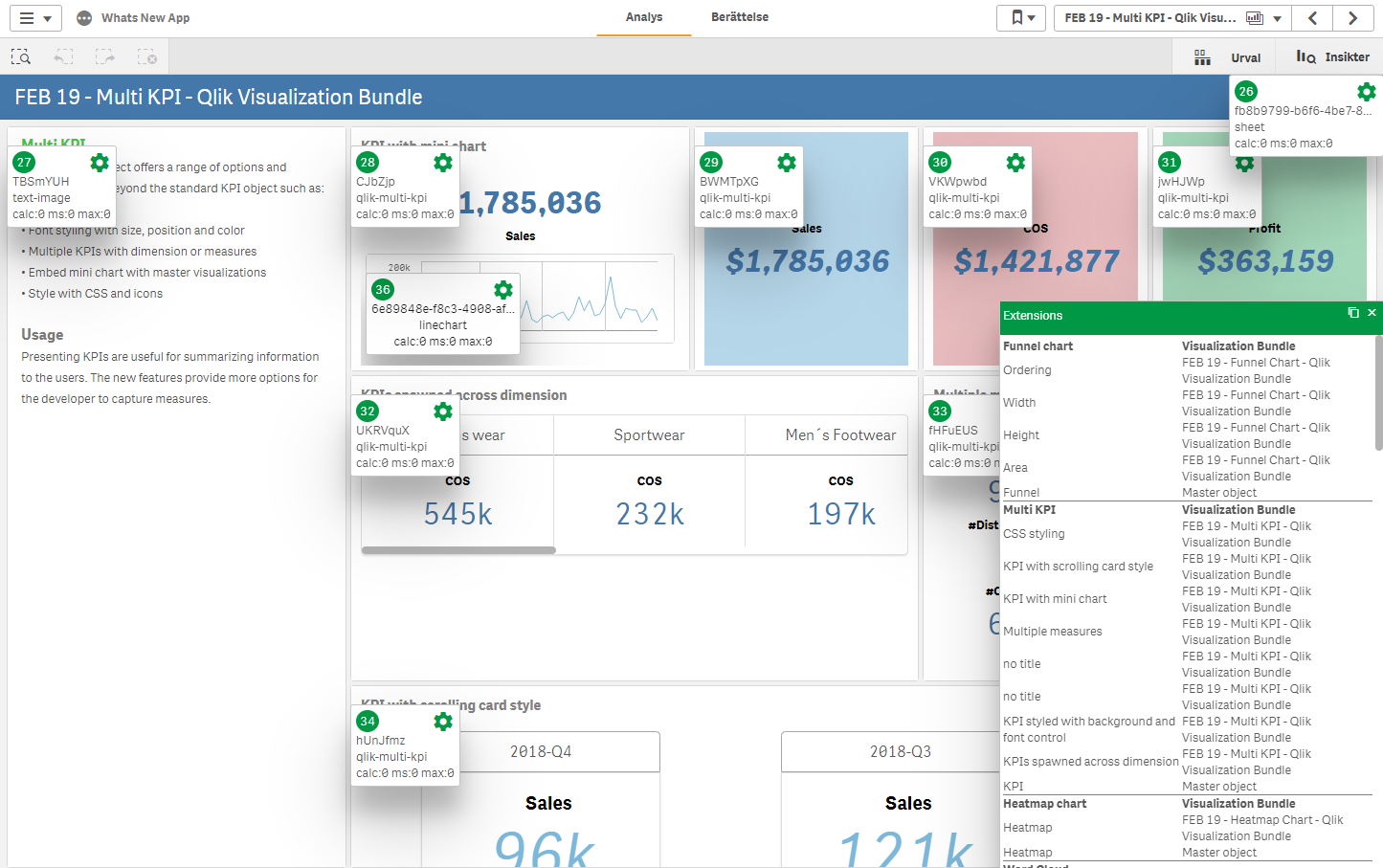
You can also easily see what extensions and charts are used in your app.
Just click on the extensions button in the app info box.
You will get a list of all axtensions and built-in charts are used in your extension, with title and sheet title
Master objects are also included.
The extension can also help you find performance problems.
When you enable the extension on a page, whether it's the standard client or a mashup, it will start recording recalculation times.
Every time an object is revalidated then extension will register time elapsed for recalculation.
It will also count how many revalidations has occured.
If the object is no longer on the screen, the extension will continue to monitor recalculations, so when you re-enable it you will get all the statistics.