1. Standard Oriya Keyboard Layout
High resolution image suitable for printing.
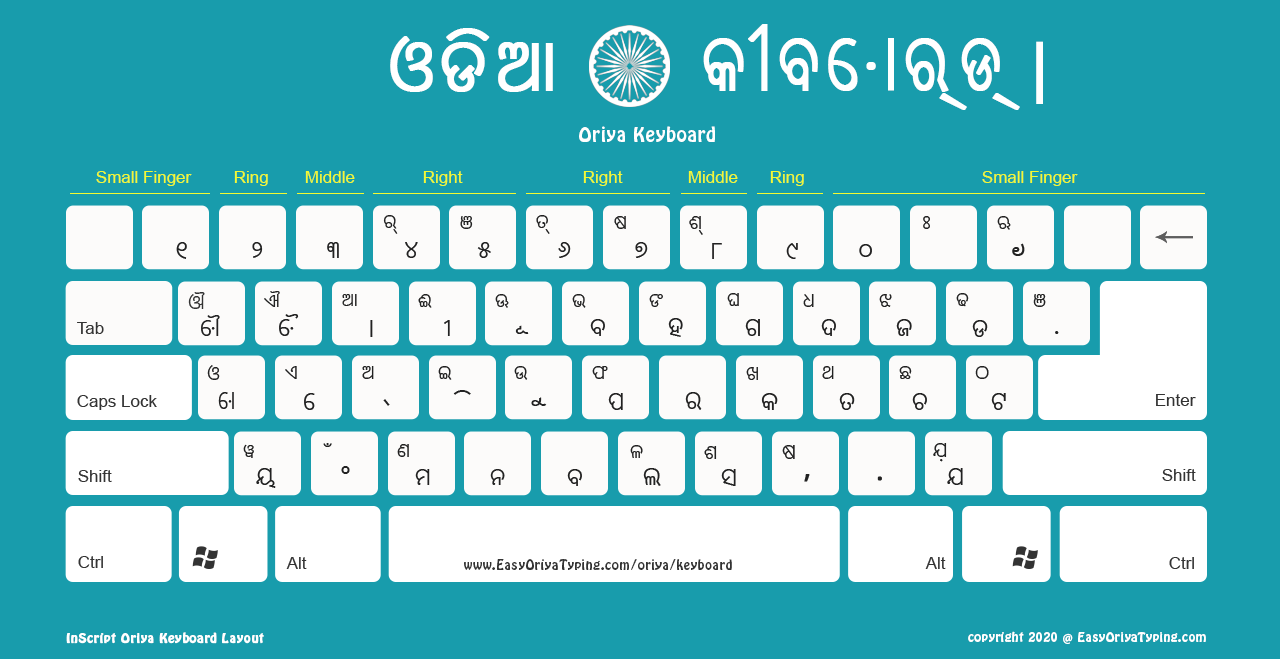
We have five different Oriya keyboard layouts for you to download on your computer. Once downloaded — you can use it as a reference to type in Oriya either on Word document or any other text editor. You also need to download the matching Oriya fonts.
High resolution image suitable for printing.
High resolution image suitable for printing.
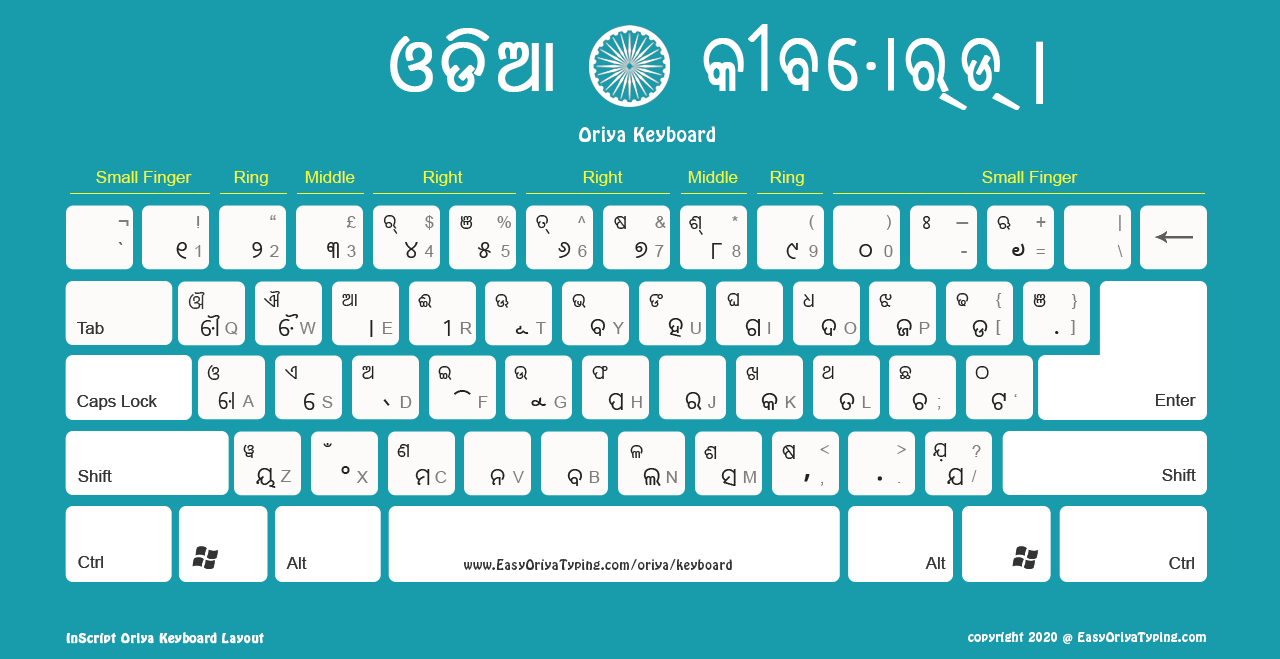
High resolution image suitable for printing.
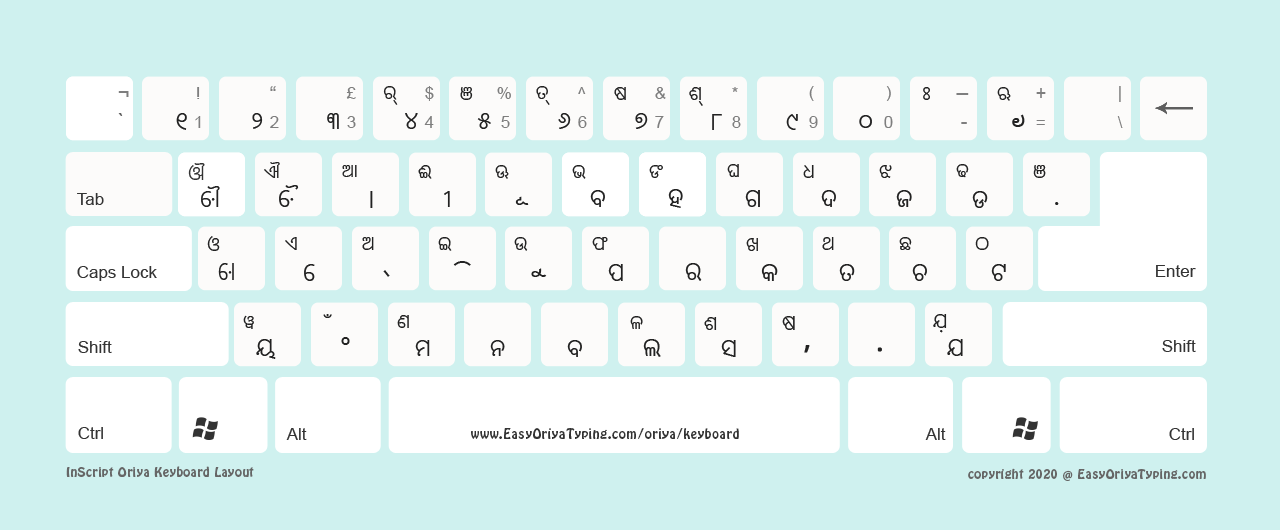
High resolution image suitable for printing.
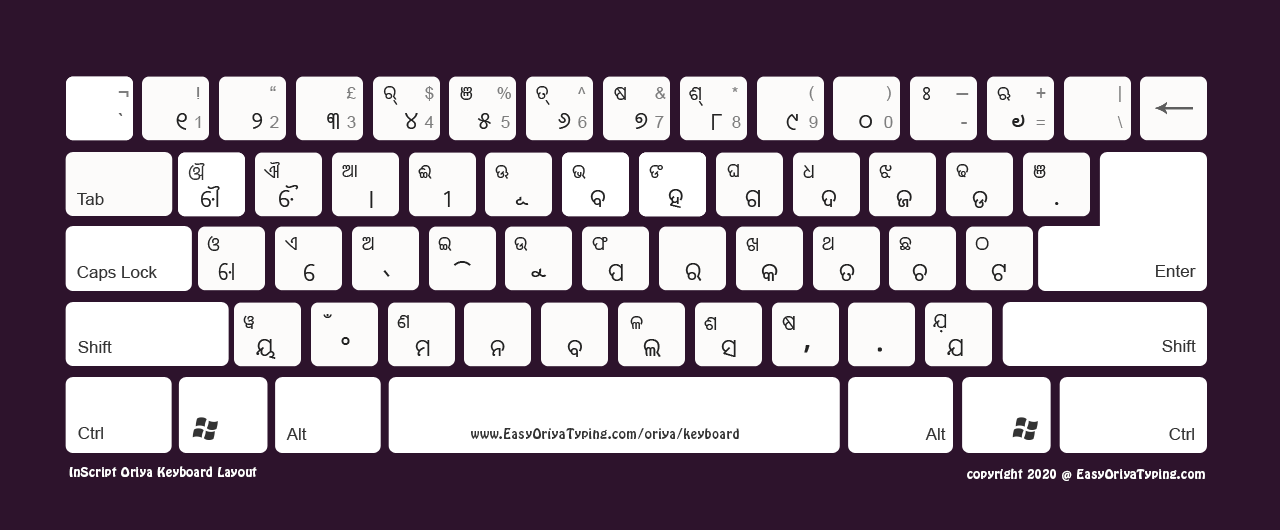
High resolution image suitable for printing.
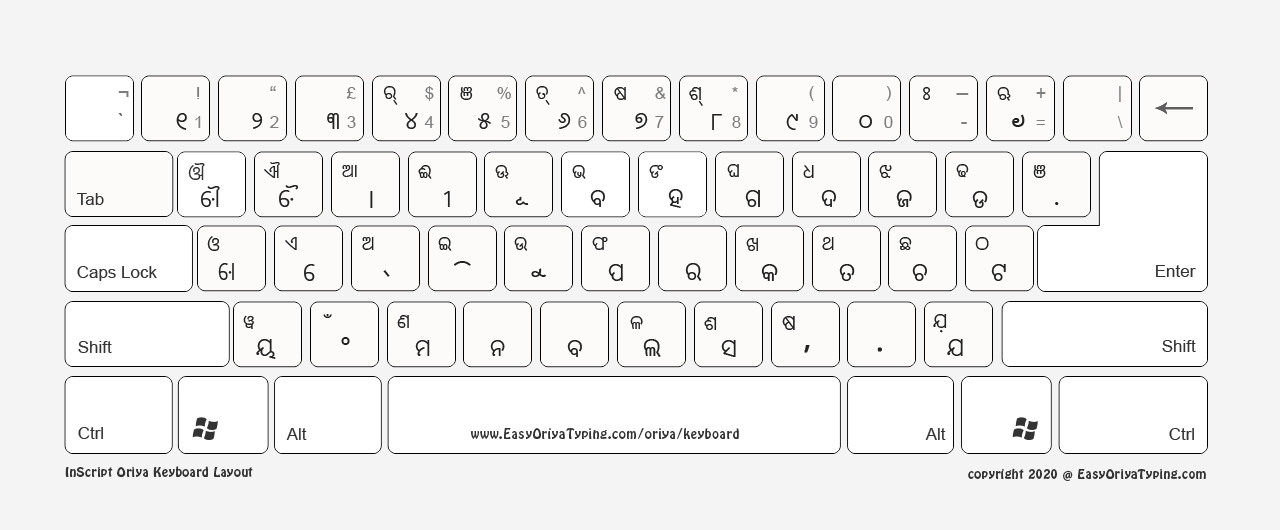
Getting started with Oriya typing is simple! Follow our step-by-step process.
Install Odia font — head over to our extensive fonts repository and install your preferred typeface.
Download your ideal keyboard image through this simple downloading process:
Browse and click on your preferred keyboard style
Right-click anywhere on the enlarged image
Choose "Save image as..." and pick your storage location
Prepare your writing space by launching your go-to text application and activating the Oriya font you installed in step one.
Begin your Oriya writing journey! Display your keyboard reference image alongside your text editor for seamless typing guidance.
Space-saving tip: Working on a compact setup? Our high-resolution keyboards deliver stunning print quality — create a physical reference that's always within reach!
Ensures traditional accuracy — each layout preserves authentic Oriya script conventions and cultural writing traditions.
Offers complete flexibility — choose from multiple styles and backgrounds to match your personal or professional preferences.
Includes unrestricted usage rights — download, print, share, and modify for any purpose without limitations or hidden costs.
In the late 1990s and 2000s, the Warnet was the only gateway to the digital world. Before IndiHome or 4G signals reached kecamatan (districts), the Warnet was a great equalizer. A street vendor’s child could sit next to a rich kid, paying Rp 3,000–6,000 per hour to access Facebook, Friendster, or cheat databases for Point Blank . The Social Issue of Access: The Warnet filled the gap where the state and private sector failed. For millions of low-income families, buying a personal computer was impossible. The Warnet became the informal classroom for digital literacy. Many rural nganggur (unemployed youth) learned basic IT skills—typing, email, resume creation—not in school, but at a smoky Warnet.
Society often labeled frequent visitors as "Anak Warnet" (Warnet kids)—stereotyped as truant students, thin from skipping meals to save money for gaming, or potential criminals. In many kampung (villages), mothers would raid Warnets at midnight to drag their sons home. bokep mesum di warnet
The Last Click: How the Warnet Became Indonesia’s Digital Second Home Subtitle: Before smartphones ruled the streets, the internet café was a refuge for gamers, students, and the urban poor. Is it dying, or evolving? 1. The Nostalgic Haze: More Than Just a Café For Millennials and older Gen Z in Indonesia, the sound of a Warnet (Warung Internet) is unmistakable: the rhythmic clacking of mechanical keyboards, the frantic click of a mouse, and the explosive sound of Counter-Strike grenades or Ragnarok Online skill spams. In the late 1990s and 2000s, the Warnet
Warnet culture fostered a unique communal bond. "Local Area Network" (LAN) gaming wasn't just about winning; it was a ritual. Dota matches turned into shouting matches, friendships, and sometimes brawls outside the shop. This created a unique hybrid culture: High-tech intimacy in a low-tech environment. 3. The Dark Side of the Screen While a haven, the Warnet also became a scapegoat for deep-seated social issues. The Social Issue of Access: The Warnet filled
The rise of slot gambling disguised as "game centers" in some urban Warnets has turned the space into a silent source of financial ruin for lower-middle-class workers, replacing social gaming with predatory algorithms. 4. The Cultural Shift: Dying or Mutating? As of 2024-2026, the classic "boxy" Warnet is almost extinct. Smartphones and cheap data packages (shoutout to Indosat and Telkomsel ) killed the demand for basic browsing.
Due to minimal supervision and cheap access, many Warnets (especially the illegal, back-alley ones) became hotspots for accessing adult content. This fueled public anxiety linking the Warnet to moral decay and petty crime, such as skimming or hacking low-security accounts.
 Sambhu Raj Singh ·